
Injured but Not Out: How Student-Athletes Can Stay on Track During the Recruiting Process
An injury during the recruiting process can feel devastating. Many student-athletes worry that months of hard work, showcase events, and conversations with college coaches could disappear overnight.
While injuries can temporarily change your recruiting timeline, they do not have to end your college athletics journey. Every year, college coaches recruit athletes who have successfully returned from injuries because they recognize that resilience, discipline, and character are just as important as athletic ability.
The key is knowing how to respond, communicate effectively, and continue demonstrating your value even when you aren’t competing.
Stay Positive and Focus on Recovery
The first priority is your health.
Trying to return to competition before you’re medically ready can lead to setbacks and longer recovery times. Follow your doctor’s recommendations, attend physical therapy consistently, and focus on rebuilding strength safely.
Recovery is not lost time—it’s an opportunity to show discipline, patience, and commitment.
Many coaches appreciate athletes who approach rehabilitation with the same dedication they bring to training.
Communicate with College Coaches
If you’ve already been in contact with college coaches, be honest about your injury.
Explain:
- What happened
- Your expected recovery timeline
- The treatment plan you’re following
- Your commitment to returning stronger
Keeping coaches informed demonstrates maturity and professionalism. Regular updates during your recovery can help maintain relationships even if you aren’t competing.
Keep Your Recruiting Profile Updated
An injury shouldn’t stop your recruiting efforts.
Continue updating your recruiting profile with:
- Academic achievements
- Previous game film
- Training progress
- Recovery milestones
- New accomplishments off the field
If you have quality highlight videos from before your injury, continue sharing them with coaches while explaining your current status.
Stay Involved With Your Team
Even if you can’t compete, remain an active member of your team.
Attend practices, support teammates, help coaches when appropriate, and continue learning the game.
Leadership isn’t only demonstrated during competition. Coaches notice athletes who continue contributing during difficult moments.
Focus on Academics
Recovery often provides extra time to improve classroom performance.
Maintaining strong grades can strengthen your recruiting profile and open additional opportunities. Coaches want student-athletes who are committed both on the field and in the classroom.
Academic success can become a significant advantage while recovering from an injury.
Be Honest About Your Recovery
Avoid rushing back simply to impress recruiters.
Returning too early can increase the risk of reinjury and may affect your long-term athletic career.
College coaches understand that injuries happen. They would rather recruit a healthy athlete with a complete recovery than someone who returned before they were ready.
Use the Time to Grow
An injury can become a valuable period for personal development.
Many athletes use recovery to improve areas that often receive less attention, such as:
- Nutrition
- Mental performance
- Leadership skills
- Game strategy
- Film analysis
- Time management
- Personal branding and NIL education
These improvements often make athletes more prepared when they return to competition.
Mental Health Matters
Recovering from an injury isn’t only a physical challenge. It can also affect confidence, motivation, and emotional well-being.
It’s normal to feel frustrated, anxious, or uncertain during recovery.
Stay connected with teammates, coaches, family members, and trusted mentors. If needed, seek support from sports psychologists or mental health professionals who understand the unique challenges athletes face.
Taking care of your mental health is just as important as healing physically.
How RecruitControl Helps During Injury Recovery
An injury doesn’t mean your recruiting journey stops—it simply changes direction for a while.
RecruitControl helps student-athletes stay organized and make confident decisions throughout recovery by providing structured assessments, personalized Clarity Reports, and decision-support tools that keep long-term goals in focus.
Whether you’re updating priorities, evaluating recruiting opportunities, preparing for a return to competition, or planning for life beyond athletics, RecruitControl provides the clarity needed to move forward with confidence.
Final Thoughts
An injury may delay your recruiting journey, but it doesn’t define your future.
College coaches understand that setbacks are part of sports. What often matters most is how an athlete responds—with resilience, professionalism, patience, and determination.
Stay committed to your recovery, communicate openly, continue developing academically and personally, and trust the process.
Your recruiting journey is about more than one season or one injury. It’s about building the skills, character, and confidence that will carry you through college athletics and beyond.
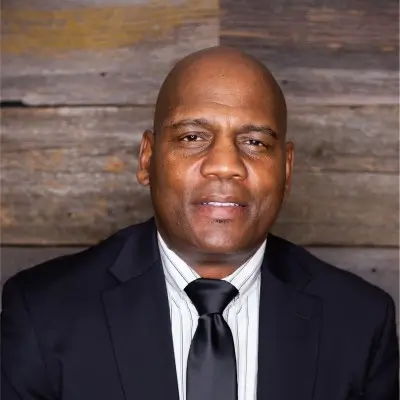
Andre Simmons is the Founder of RecruitControl, a decision-intelligence platform created to help student-athletes and their families navigate the recruiting journey with clarity and confidence. Drawing on decades of entrepreneurial experience, Andre’s vision is to simplify complex recruiting decisions through structured guidance, personalized insights, and family alignment. His mission is to empower every athlete to make informed decisions not only during recruiting, but throughout their college and athletic journey.