
How to Get Recruited for College Sports
Playing college sports is a dream for many student-athletes, but earning a roster spot doesn’t happen by chance. The recruiting process requires preparation, commitment, and informed decision-making. While athletic ability is important, college coaches also evaluate academics, character, leadership, and whether an athlete is the right fit for their program.
The good news is that there are thousands of opportunities across NCAA Division I, Division II, Division III, NAIA, and junior college programs. Success isn’t about being the best athlete in the country—it’s about finding the right program where you can grow, compete, and succeed.
This guide explains how to prepare for college recruiting and improve your chances of being noticed by college coaches.
Understand How College Recruiting Works
Before reaching out to coaches or attending showcases, it’s important to understand the recruiting process.
College coaches are looking for athletes who can contribute to their program both on and off the field. They evaluate athletic performance, academic achievement, leadership, attitude, work ethic, and long-term potential.
Recruiting is not a one-time event. It is an ongoing process that often begins years before an athlete commits to a college.
The earlier you prepare, the more opportunities you’ll have.
Focus on Becoming a Better Athlete
Recruiting starts with development.
Continue improving your athletic skills through consistent practice, strength training, conditioning, and competition against quality opponents. Coaches want athletes who show continuous improvement rather than those who simply rely on natural talent.
Developing strong fundamentals, maintaining a positive attitude, and demonstrating coachability can make a lasting impression.
Remember, coaches recruit potential just as much as current performance.
Keep Your Academics Strong
Athletic talent opens doors, but academics keep them open.
College coaches value student-athletes who can succeed in the classroom as well as in competition. Maintaining a strong GPA and taking challenging courses can increase both admissions opportunities and scholarship options.
Strong academic performance also demonstrates discipline, responsibility, and time management—qualities every coach appreciates.
Create a Strong Recruiting Profile
Your recruiting profile serves as your introduction to college coaches.
It should include:
- Athletic achievements
- Academic information
- Position and measurable statistics
- Highlight video
- Contact information
- Coach references
- Upcoming competition schedule
Keep your profile updated throughout high school so coaches always have access to your latest accomplishments.
Build a Quality Highlight Video
For many coaches, your highlight video is the first opportunity to evaluate your abilities.
Keep it concise, organized, and focused on your best moments. Use game footage whenever possible and clearly identify yourself before each play.
A well-produced highlight video should demonstrate your athletic ability, decision-making, effort, and consistency rather than relying on flashy editing.
Communicate with College Coaches
Don’t wait for coaches to discover you.
Take the initiative by introducing yourself through professional emails, attending camps, and following up after conversations.
When contacting coaches:
- Personalize every email.
- Explain why you’re interested in their program.
- Include your recruiting profile and highlight video.
- Share your academic and athletic achievements.
- Be respectful and professional.
Building relationships with coaches takes time, so consistent communication is important.
Attend Camps and Showcases
Camps and showcases provide valuable opportunities to compete in front of college coaches while learning more about different programs.
Choose events that match your current skill level and recruiting goals rather than attending as many events as possible.
Quality exposure is more valuable than quantity.
Visit Colleges Before You Commit
Recruiting isn’t only about receiving an offer.
Visit campuses whenever possible to evaluate:
- Academic programs
- Athletic facilities
- Coaching staff
- Team culture
- Campus environment
- Student life
Finding the right college fit is often more important than choosing the highest-ranked athletic program.
Stay Organized Throughout the Process
Recruiting involves conversations with multiple coaches, application deadlines, visits, camps, and scholarship opportunities.
Creating a simple tracking system can help you stay organized and avoid missing important deadlines.
Successful student-athletes treat recruiting like a long-term project rather than waiting until senior year to get started.
Don’t Let Setbacks Stop You
Every recruiting journey includes challenges.
You may experience injuries, limited playing time, missed opportunities, or rejection from certain programs. These setbacks don’t define your future.
Continue improving your skills, maintain a positive attitude, and stay focused on your long-term goals. Many successful college athletes received multiple rejections before finding the right opportunity.
Persistence often separates successful recruits from those who give up too early.
How RecruitControl Helps Student-Athletes
RecruitControl was created to simplify one of the most important decisions in a student-athlete’s life.
Rather than simply helping athletes gain exposure, RecruitControl provides a structured decision-support platform that helps athletes and families evaluate opportunities with confidence.
Through personalized assessments, family alignment tools, decision-readiness insights, and comprehensive Clarity Reports, RecruitControl helps families understand what matters most before making important recruiting decisions.
Whether you’re comparing schools, evaluating scholarship opportunities, preparing for NIL, recovering from an injury, or planning life after college sports, RecruitControl provides the guidance needed to move forward with confidence.
Final Thoughts
Getting recruited for college sports isn’t about luck. It’s the result of preparation, consistent improvement, strong academics, effective communication, and making smart decisions throughout the recruiting process.
Focus on becoming the best student-athlete you can be, stay proactive, and look for the college that aligns with your athletic, academic, and personal goals.
The right opportunity isn’t always the biggest program—it’s the one that gives you the best chance to grow, compete, and succeed both during college and beyond.
With the right preparation and a clear decision-making process, your recruiting journey can become the first step toward a successful future.
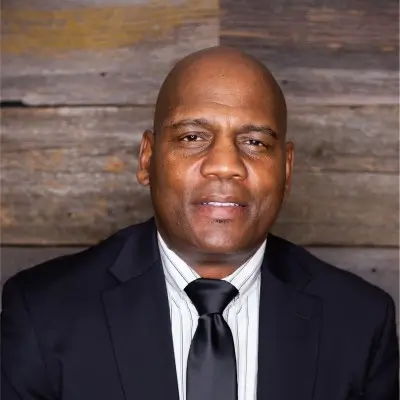
Andre Simmons is the Founder of RecruitControl, a decision-intelligence platform created to help student-athletes and their families navigate the recruiting journey with clarity and confidence. Drawing on decades of entrepreneurial experience, Andre’s vision is to simplify complex recruiting decisions through structured guidance, personalized insights, and family alignment. His mission is to empower every athlete to make informed decisions not only during recruiting, but throughout their college and athletic journey.